The Car Selling Myth That Costs UK Owners Thousands Every Year
28 Jan 2026There’s one belief we hear from car owners across the UK — and it quietly costs people thousands every single year.
It sounds sensible.
It feels logical.
And it’s completely wrong.
The myth?
“If I wait a little longer, I’ll get more for my car.”
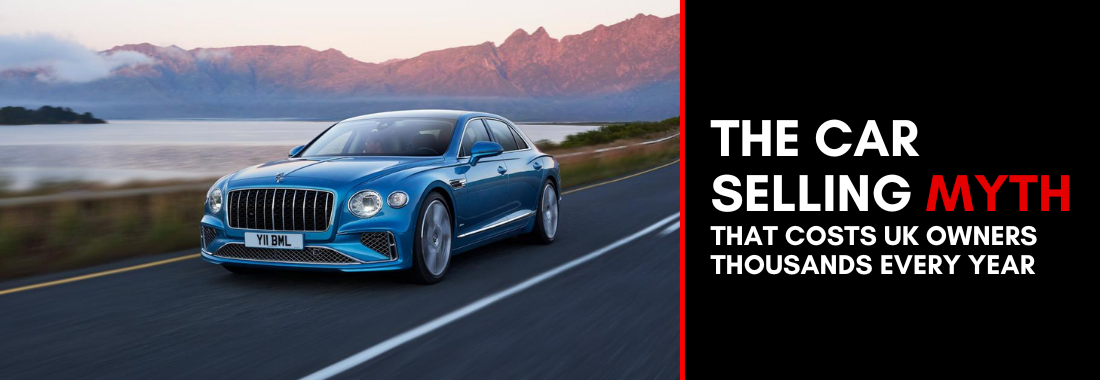
At Premium Car Buying Service (PCBS), we see the real numbers behind this thinking every day. And while waiting feels like a safe decision, in reality it’s often the most expensive one.
Let’s break down why this myth exists, why it keeps catching people out, and how to avoid being one of the sellers who loses money without ever realising it.
Why This Myth Is So Popular
On the surface, waiting makes sense.
People assume:
- Cars are still in demand
- Another month won’t make much difference
- The market will “pick back up”
- Their car will always be worth roughly the same
After all, if you’re not desperate to sell, why rush?
The problem is that car values don’t behave like most people think they do.
They don’t decline slowly and predictably.
They move in steps, often triggered by timing, perception, and supply.
And those steps are where value disappears.
How Car Values Really Change (Not How People Expect)
Most sellers imagine depreciation like a gentle slope.
In reality, it looks more like a staircase.
Your car might hold its value reasonably well for a period…
Then suddenly drop when one or more of these happen:
- A new registration plate is released
- Seasonal demand shifts
- More stock enters the market
- New models or incentives are announced
- Mileage crosses a psychological threshold
- Buyer behaviour changes
Nothing about the car itself changes — but what buyers are willing to pay does.
That’s where the myth falls apart.
The “I’ll Just Wait a Bit” Trap
Here’s how this usually plays out:
Month 1:
You get a valuation. It looks decent, but you’re not ready yet.
Month 2:
You check again. It’s slightly lower. You assume it’ll stabilise.
Month 3:
Offers soften more noticeably. You feel frustrated — but now you’re chasing the market.
By the time you do sell, the difference isn’t a few hundred pounds.
It’s often four figures.
And the worst part?
Most sellers never realise what that delay actually cost them.
Why Demand Doesn’t Protect You From This
Another part of the myth is the idea that:
“Cars are always in demand, so prices won’t really drop.”
Demand does exist — but it’s selective and time-sensitive.
Buyers don’t just want a car.
They want:
- The right age
- The right plate
- The right spec
- At the right time
When demand shifts even slightly, sellers lose leverage.
And once leverage is gone, negotiation becomes one-sided.
Premium and High-Value Cars Are Hit Hardest
Ironically, the cars people expect to “hold value best” are often the most sensitive to timing.
Premium buyers are:
- More plate-conscious
- More spec-driven
- More comparison-led
A BMW, Audi, Mercedes, Porsche, or performance model can feel perfectly strong in January — and noticeably weaker by April.
Not because it’s a worse car.
But because buyers now have more choice and less urgency.
The Cost of Waiting Is Rarely Obvious
This myth survives because the cost of waiting is invisible.
There’s no invoice that says:
“Delay cost: £2,800”
Instead, sellers just accept a lower offer months later and move on.
But when we compare valuations week by week, month by month, the pattern is clear:
- Early, informed sellers usually do better
- Late, hopeful sellers usually compromise
Why Online Valuations Can Make This Worse
Many online tools don’t adjust fast enough to reflect real buyer behaviour.
They often:
- Lag behind market changes
- Use national averages
- Ignore local demand shifts
So sellers are reassured by figures that no longer reflect reality, reinforcing the idea that waiting is harmless.
By the time the tools catch up, the market has already moved.
What Smart Sellers Do Differently
The sellers who avoid this myth don’t rush — but they also don’t drift.
They:
- Understand timing before emotion takes over
- Check real market conditions, not assumptions
- Act when demand and leverage are in their favour
- Accept that “good timing” often beats “perfect timing”
Most importantly, they make informed decisions, not hopeful ones.
How PCBS Looks at Timing
At PCBS, we don’t tell everyone to sell immediately.
What we do is:
- Show sellers where the market actually is
- Explain how timing affects leverage
- Be honest about whether waiting helps or hurts
Sometimes waiting is the right move.
But far more often, waiting simply hands power to the buyer.
The Real Takeaway
The most expensive mistake in car selling isn’t choosing the wrong buyer.
It’s waiting for a better moment that never comes.
If selling is likely to happen anyway, understanding the market early gives you control — and control protects value.
Thinking About Selling This Year?
You don’t need to rush.
But you do need clarity.
At Premium Car Buying Service, we offer:
- Realistic, transparent valuations
- No inflated expectations
- No admin fees
- Honest advice on timing
Sometimes the smartest move isn’t waiting — it’s knowing when not to.
📞 0330 822 7081
🌐 premiumcarbuyingservice.com